Reference
8 Waveform Styles Explained: Which to Use and When
Which waveform style should you use?Bars or radial for beat-driven music; area, blob or scope for ambient and acoustic material; bars or mirror for speech and podcasts; circle for a square post with the waveform around album art.
All eight styles take the same color, reaction and resolution controls and the preview updates live, so the reliable answer is to click through them against your own track — a style that suits a demo can read completely differently on your material.
Music Waveform ships eight shapes. They're not just cosmetic — each reads differently depending on whether you're visualizing a beat-driven track, an ambient pad or a talking voice. Here's a quick guide to choosing.
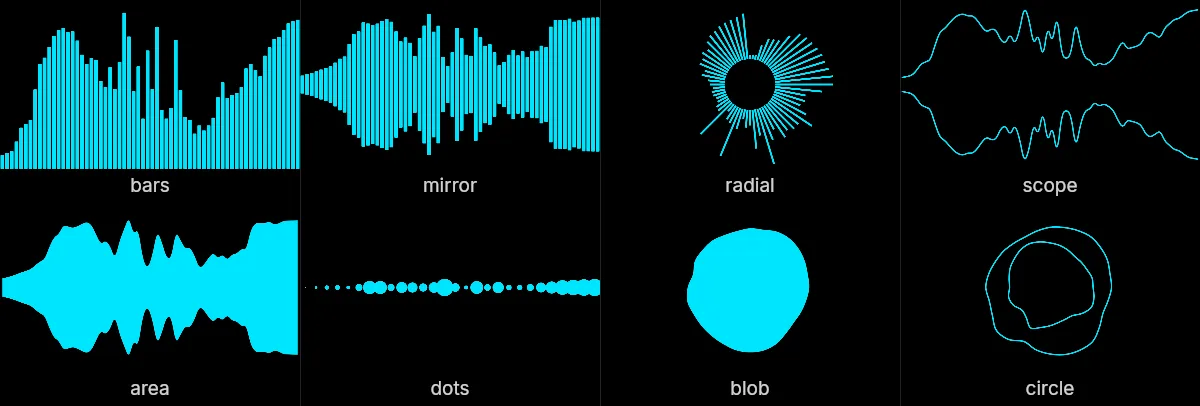
The eight styles
Bars
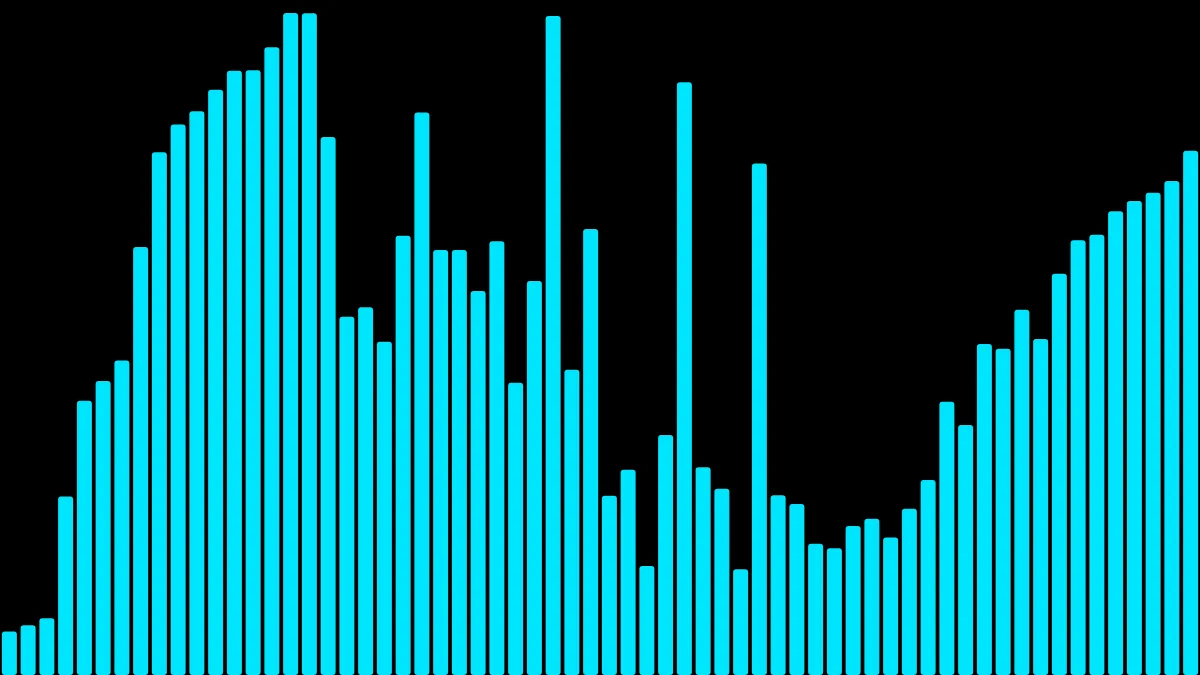
Discrete vertical bars, like a classic spectrum. The most legible, all-purpose choice. Great for music with a clear beat and for podcast audiograms because it stays readable even when small.
Mirror
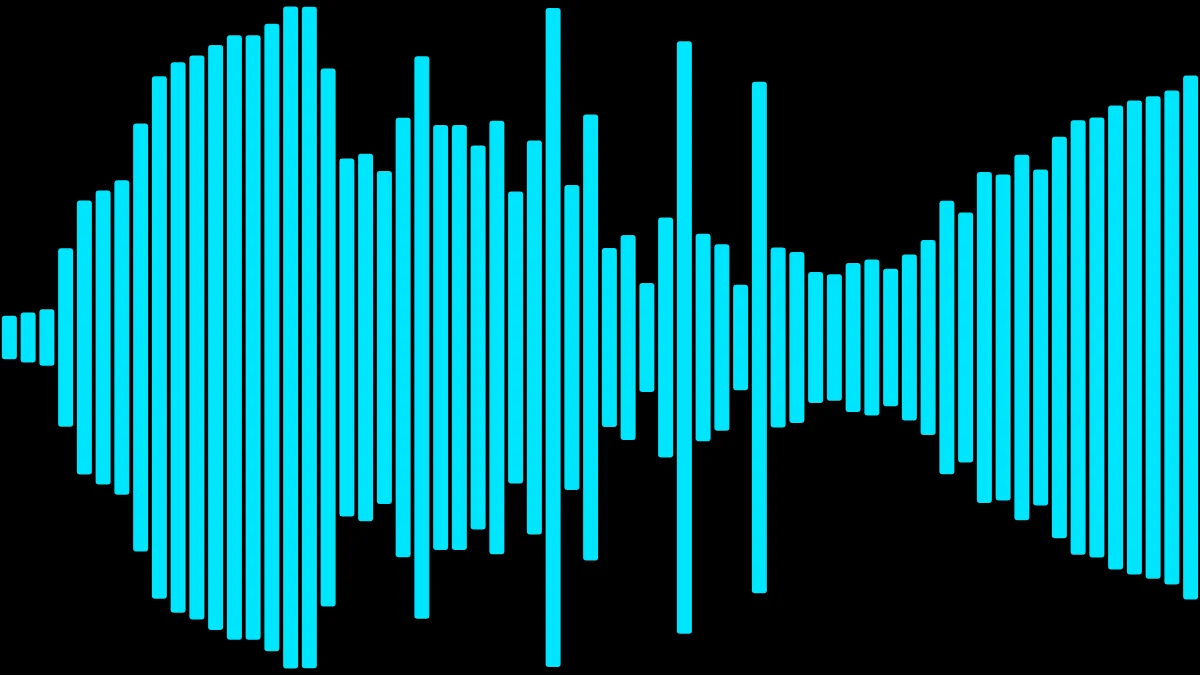
Bars (or a filled shape) reflected around a center line for a symmetrical look. Feels polished and balanced; a safe default for social posts and lyric videos.
Radial
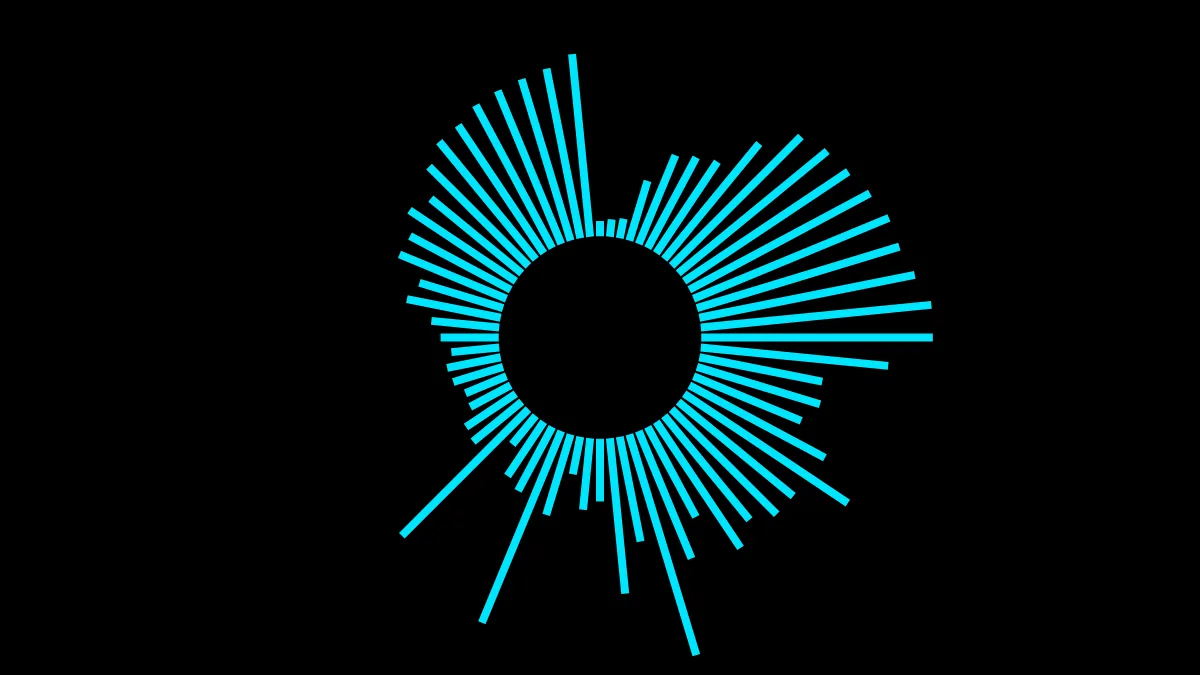
The waveform wraps around a circle and pulses outward. High-impact and eye-catching — ideal for a single release or an album-art-style centerpiece. Pair it with album artwork behind it using Screen compositing.
Scope
A continuous oscilloscope line that traces the raw signal. Technical and hypnotic; suits electronic music, sound design and anything where you want a "signal" aesthetic.
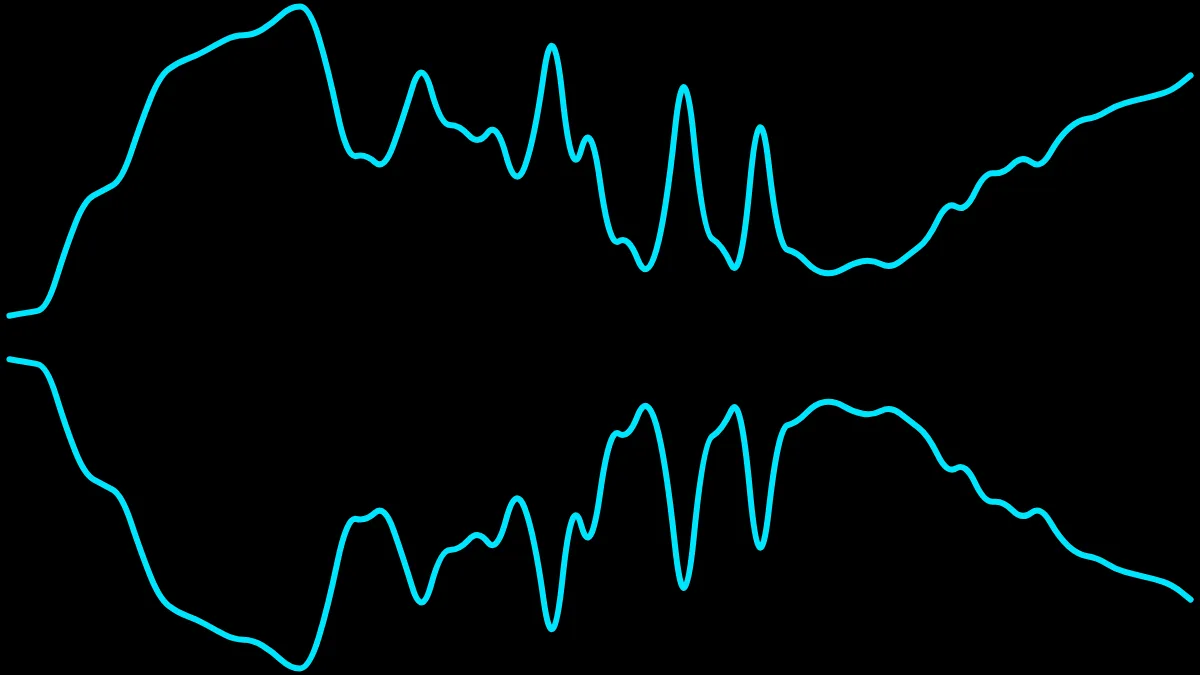
Area
A filled area under the waveform curve. Soft and flowing — good for ambient, acoustic or spoken material where hard bars would feel too aggressive.
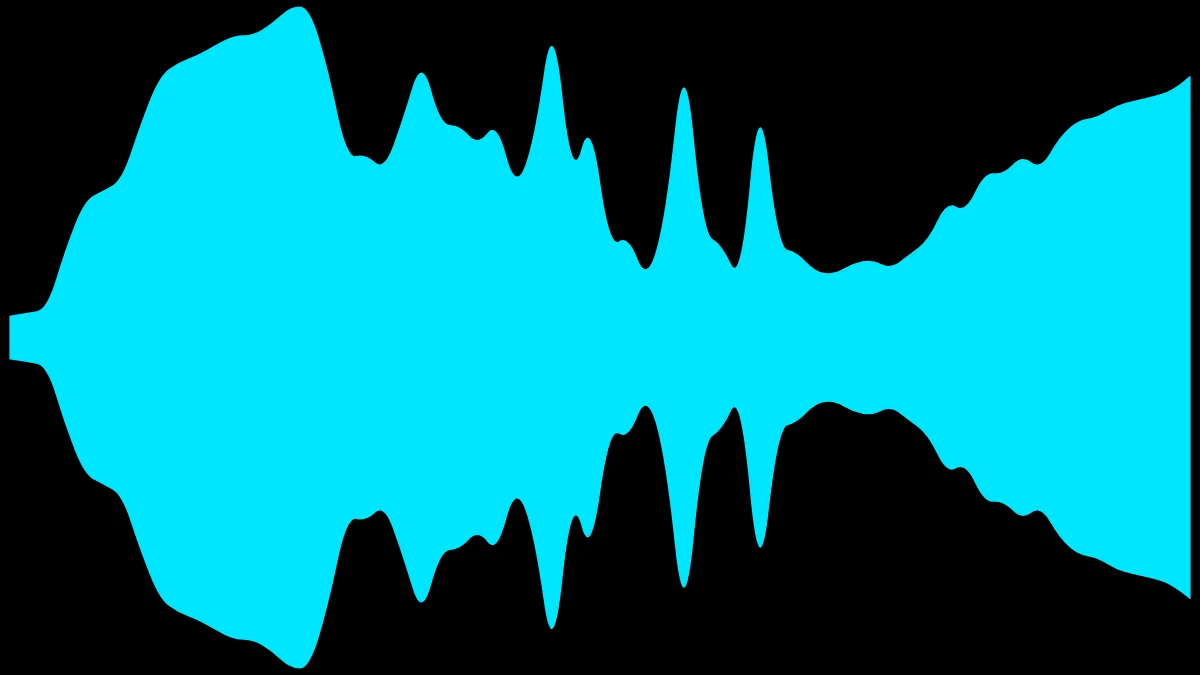
Dots
Points instead of solid shapes, for a lighter, more playful texture. Nice over busy backgrounds where a solid shape would overwhelm the frame.
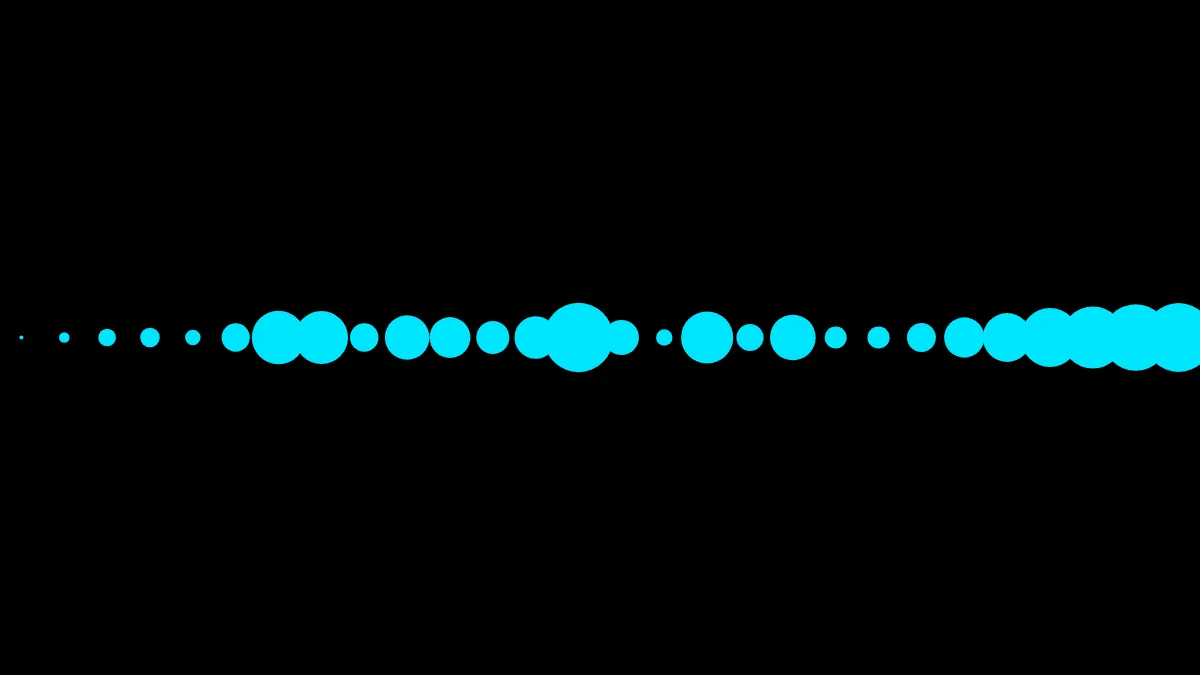
Blob
A closed disc whose entire outline breathes with the sound — one seamless silhouette rather than separate bars, so it feels organic instead of technical. It comes in four sub-styles: solid (a filled disc), outline (the contour stroked, hollow inside), rings (three concentric contours) and petals (a filled contour with thin rays running out from the center). Best when the waveform is the artwork — a centerpiece rather than a strip along the bottom.

Circle
The scope line wrapped onto a circle: a single continuous closed line pushed both outward and inward, so it reads as two nested outlines breathing against each other. It keeps the technical, signal-like feel of scope but in a centered, symmetrical frame — a good fit for square social posts and for sitting around album art.
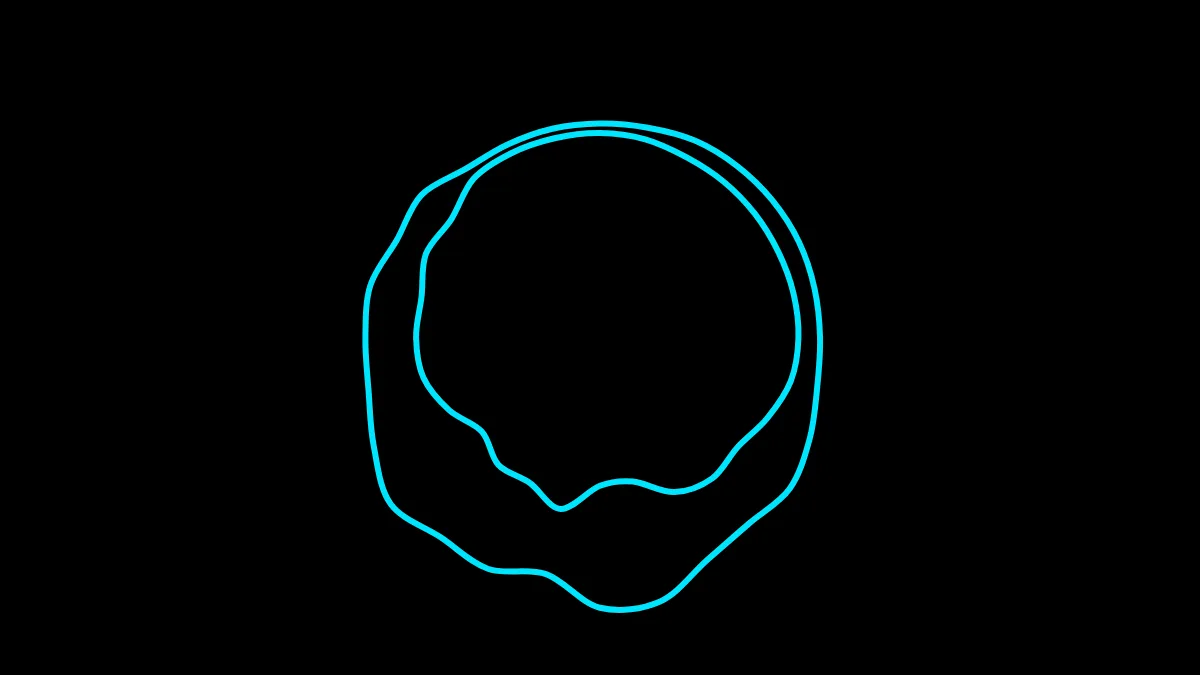
Blob and circle behave differently enough from the six strip styles that they get their own guide: blob and circle as a centerpiece covers their sub-styles and settings in detail.
How to choose quickly
- Beat-driven music → bars or radial.
- Ambient / acoustic → area, blob or scope.
- Speech / podcast → bars or mirror, with the reaction turned up.
- Maximum impact for a release → radial or blob over artwork.
- Square post, waveform around the art → circle.
Make your waveform video
Free, no signup, right in your browser. Load a track and export an MP4.
About this article: it was written with the help of AI (Claude) and published by Music Waveform. We review our posts for accuracy against how the tool actually works, but if you spot something off, email damienyvert.dev@gmail.com.